The companion animal care areas we cover in detail
This page is an informational overview of common veterinary care categories. It is intended to help pet owners understand what each type of care generally involves and why it matters — not a listing of services for sale.
Core categories of companion animal care
These four categories generate the most questions from pet owners and receive the most in-depth coverage in our educational content.

Wellness & Preventive Exams
Routine wellness exams are the backbone of preventive medicine. They typically include a physical examination, weight tracking, coat and skin assessment, dental check, and a conversation about diet, activity level, and any behavioral changes. Regular exams make it easier to catch subtle issues — a slight limp, a new lump, a change in appetite — before they become serious. We cover how often exams are generally recommended by life stage and how owners can prepare their pet (and themselves) for a calmer visit.

Vaccinations & Boosters
Vaccination protects individual animals and helps limit the spread of preventable disease within a community. We explain the general difference between core vaccines (recommended for nearly all animals) and lifestyle or non-core vaccines (recommended based on exposure risk, geography, and routine), along with typical booster intervals and why keeping records up to date matters — especially for boarding, grooming, or travel.

Surgical Procedures Explained
Surgery can be one of the more stressful topics for pet owners to think about, whether it involves a routine procedure or something more involved. We walk through what pre-surgical evaluation generally looks like, how anesthesia risk is typically assessed, what recovery and aftercare usually involve, and the kinds of questions worth asking before any procedure is scheduled.
Grooming & Skin Health
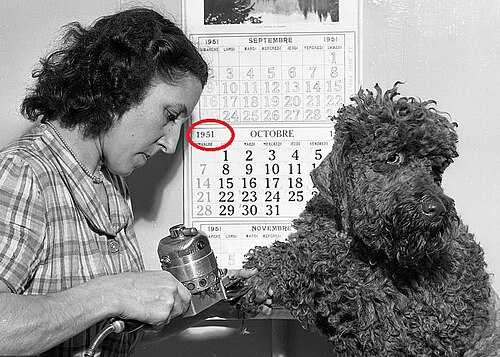
Grooming is about more than appearance — regular brushing, nail trims, ear checks, and bathing all support skin health and can reveal early signs of parasites, infection, or irritation. We cover coat-type-specific routines, how often different breeds typically need attention, and simple at-home checks owners can build into their regular routine.
Additional care topics we write about
Beyond the core categories above, these subjects come up often enough that we maintain dedicated educational coverage for each of them.
Dental Health
Why routine dental care matters and what signs of dental discomfort look like.
Diagnostics & Lab Work
What routine bloodwork, imaging, and lab screening are generally used to check for.
Nutrition Basics
General guidance on life-stage nutrition, weight management, and feeding routines.
Senior Pet Care
How care routines typically shift as dogs and cats move into their senior years.
Recognizing Urgent Signs
General information on symptoms that typically warrant prompt attention.
Parasite Prevention
Understanding flea, tick, and heartworm prevention across Ohio's seasons.
Spay & Neuter Timing
General considerations owners weigh when discussing timing with a veterinarian.
Behavior & Anxiety
Why some animals struggle with clinic visits and general calming strategies.

What to expect before a typical appointment
Understanding the general flow of a clinic visit helps reduce stress for both pets and their owners. While specifics vary by provider, most wellness visits follow a similar structure.
- Check-in and a brief history review, including diet, behavior, and any recent changes.
- A hands-on physical exam covering weight, heart and lung sounds, joints, skin, and teeth.
- A conversation about findings, any recommended follow-up, and home-care guidance.
Looking for information on a topic not listed here?
Send us a note describing what you would like to learn more about, and we will point you toward relevant resources.